 The Workflow Stack
Check a heat exchanger estimate
Balance both streams, calculate the counterflow driving force, and review UA and pressure drop.
Read the guide →Practical guidance for thermal systems, HVAC modeling, and CAE. Build credible models, automate repeatable work, and turn analysis into better engineering decisions.
Explore engineering toolsRead free guides →From component models to system decisions, these are the workflows that make engineering analysis more reliable and repeatable.
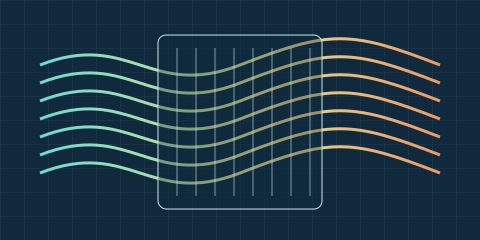
Model heat transfer, evaluate cooling strategies, and connect component performance to system behavior.
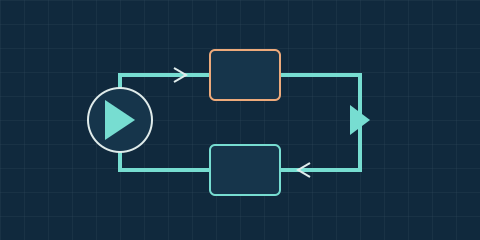
Assess heat pump cycles, performance maps, and control strategies across realistic operating conditions.
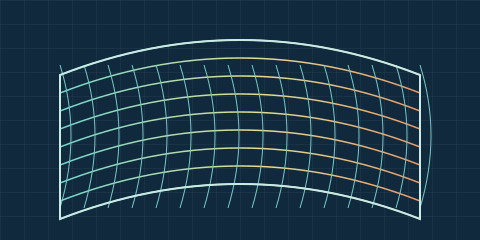
Verify simulations, automate parameter studies, and turn analysis data into traceable technical reports.
Each guide includes an example, checks that can change the conclusion, and a worksheet you can adapt.
Balance both streams, calculate the counterflow driving force, and review UA and pressure drop.
Read the guide →Keep delivered capacity, electric power, and cold-weather operating limits traceable.
Read the guide →Compare decision-driving outputs across meshes and document the chosen resolution.
Read the guide →A compact review of purpose, balances, numerical influence, independent evidence, and uncertainty—with a worked heat exchanger example.
Read the issueUse the issue with the simulation validation guide and report template on your next model review.
Open the validation guide →Calculate heat balances, map heat pump performance, compare exchanger cases, and build thermal resistance networks—with equations and assumptions visible.
Open the engineering workbenchStart with a worked example, enter your inputs, and download the calculation record. Use the validation checklist to document evidence and open questions.
Try the heat balance calculator →A fast workflow is only useful if you can explain why its answer is credible. The Workflow Stack pairs practical tools with the engineering judgment needed to use them.
Before relying on a model, record its purpose, boundary conditions, input data, numerical settings and comparison to measurements. The validation guide shows how to turn those checks into a reviewable report, with a downloadable template.
Browse free guidesExplore thermal, HVAC, fluids, and simulation roles from selected employer feeds. Filter by discipline, employer, and location, then apply on the original posting.
Browse engineering jobsWe are preparing email delivery. The guides and tools are available now, with no account required.
When signup opens, subscriptions will require email confirmation and include an unsubscribe link.